

Three-Phase Transformers: The Core Hub of Power Systems
2026-03-10Three-Phase Transformers: The Core Hub of Power Systems
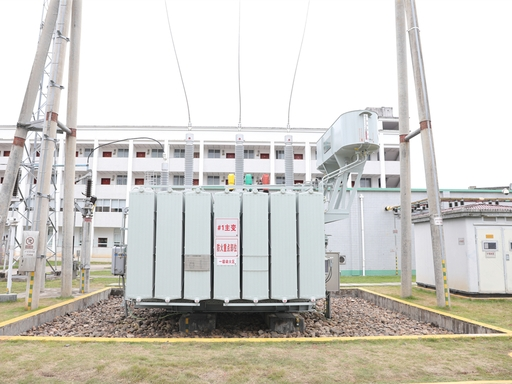
In the modern power system, there is a piece of equipment that operates silently yet underpins the entire industrial civilization. It is inconspicuous but runs through the whole chain of power transmission, distribution, and consumption — it is the three-phase transformer.
From stable power supply in urban power grids, to grid connection of new energy power stations, and stable power support for precision machine tools and data centers, three-phase transformers always act as a “voltage converter” and “energy transmitter”, making them an indispensable core component of power infrastructure. Today, we take an in-depth look at the core value, technological evolution, and industry trends of three-phase transformers, and explore how they gain new momentum under the “dual carbon” strategy and the construction of new power systems.
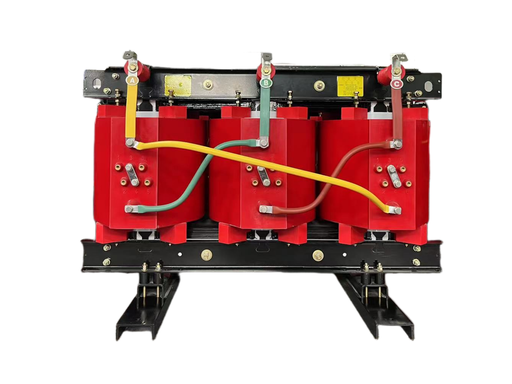
I. Understanding Three-Phase Transformers: More Than Just Voltage Conversion
Many people understand transformers only as equipment that “changes voltage”, but the value of three-phase transformers goes far beyond that. Essentially, it is an electrical device based on the principle of electromagnetic induction, which realizes energy transfer and voltage conversion for three-phase alternating current.
Its core function is to convert voltage and current of one level to another while keeping the frequency unchanged, so as to meet the power needs of different scenarios. Compared with single-phase transformers, the key advantage of three-phase transformers lies in their “efficiency and stability”.
Through three independent windings corresponding to phases A, B, and C, together with common connection methods such as Y/Y0-12 and Y/△-11, they achieve balanced distribution of three-phase loads, effectively reducing voltage fluctuations and power losses, and avoiding equipment failures caused by unbalanced loads.
Structurally, there are two main types: three-phase bank transformers composed of three single-phase units, and integrated three-phase core transformers. The integrated design features compact structure, low energy consumption, and convenient maintenance, making it the mainstream choice in power systems.
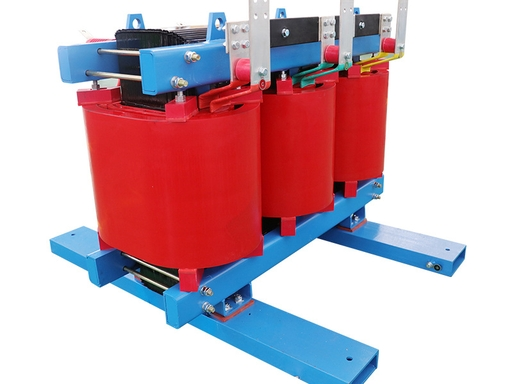
II. Core Advantages: Why Three-Phase Transformers Dominate the Industry
In power transmission and distribution, three-phase transformers have become the mainstream choice due to their irreplaceable technical and economic advantages:
· High efficiency and energy saving: Reasonable magnetic circuit design reduces losses significantly; transmission efficiency is much higher than single-phase transformers.
· Strong load capacity: Covers a wide range of capacities and voltage levels, suitable for high-power industrial and new energy scenarios.
· Cost-effective: Saves raw materials, installation space, and long-term operating costs.
· Stable and reliable: Symmetrical structure ensures balanced load, low vibration, and high operational safety.
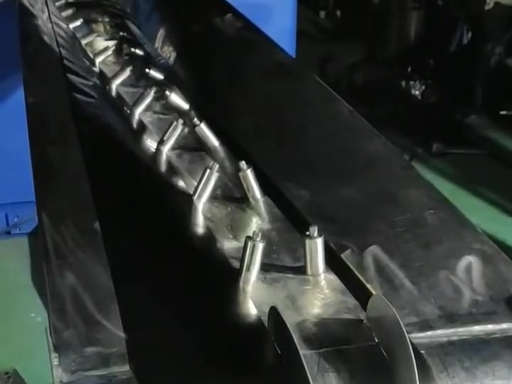
III. Technological Evolution: From Traditional Energy Saving to Green Intelligence
Driven by the “dual carbon” goal and the construction of new power systems, the three-phase transformer industry is undergoing a new round of technological changes, focusing on green energy saving and intelligent upgrading.
1. Green and Energy-Saving
Energy saving is the core development direction. Innovative materials such as amorphous alloy and three-dimensional wound core are widely used, greatly reducing no-load loss. High-efficiency products such as S13 and S20 have fully met the highest national energy efficiency standards.
2. Intelligent Upgrading
With the development of smart grids, modern three-phase transformers are integrated with digital and intelligent functions. Through built-in sensors and IoT technology, they realize real-time monitoring, remote management, and fault early warning, shifting from passive maintenance to active control.
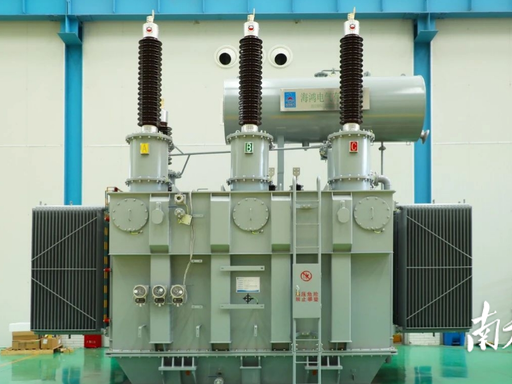
IV. Application Scenarios
Three-phase transformers are widely used in almost all fields that require stable power supply:
· Power grid systems: Core equipment for high-voltage transmission and distribution.
· New energy: Key equipment for wind and photovoltaic power grid connection.
· Industrial manufacturing: Provides stable power for machinery, metallurgy, chemical industry, and production lines.
· Civil and commercial applications: Used in buildings, hospitals, subways, and data centers, especially dry-type transformers with high safety and environmental protection.
V. Industry Outlook
With the accelerated construction of new power systems and the rapid development of new energy, the three-phase transformer market will maintain steady growth. The industry will move toward three major trends: greening, intelligence, and high-end development.
For enterprises, choosing a suitable, efficient, and reliable three-phase transformer can reduce energy costs and improve operational stability. For the industry, continuous technological innovation and product optimization will promote high-quality development and provide strong support for building a green, intelligent, and efficient new power system.
Conclusion
Three-phase transformers may seem ordinary, but they carry the mission of modern power civilization. From traditional power systems to new power systems, from industrial manufacturing to civil applications, they are constantly upgrading toward higher efficiency and intelligence. In the future, three-phase transformers will continue to serve as the core power hub and inject continuous power into the high-quality development of various industries.